Gianni Nicolì from Maison de Paix – May 11, 2022
Wednesday, May 11 at Maison de Paix
Living, working, and talking about school in Congo can be both easy and difficult.
Easy because, as is obvious, it is well understood that ignorance never pays; on the contrary, it always entails very high costs.
Therefore, from this point of view, a developing country like Congo can find in school the very lever for cultural, social, and economic evolution.
Difficult because school in Congo is the mirror and, if you will, the reality in which all the hopes and contradictions of this great country are concentrated, with its still suffering history and its cultural variety and uniqueness even within the context of the African continent.
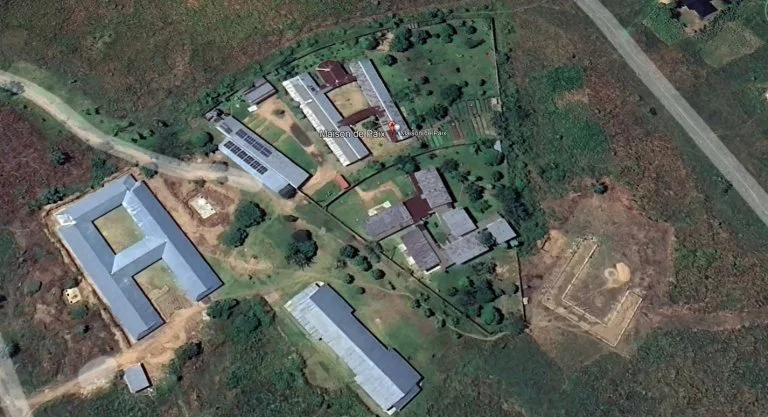
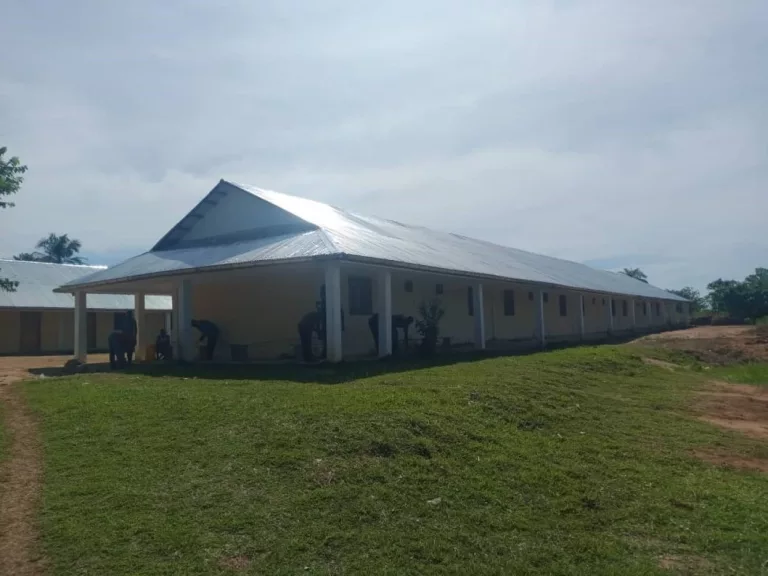
If, hypothetically, we were to suddenly close our Maison de Paix school in Ndunga, we wouldn’t say the sun would go out, but almost.
In this context, it is practically the only reality of social qualification that exists.
The children here have nothing else.
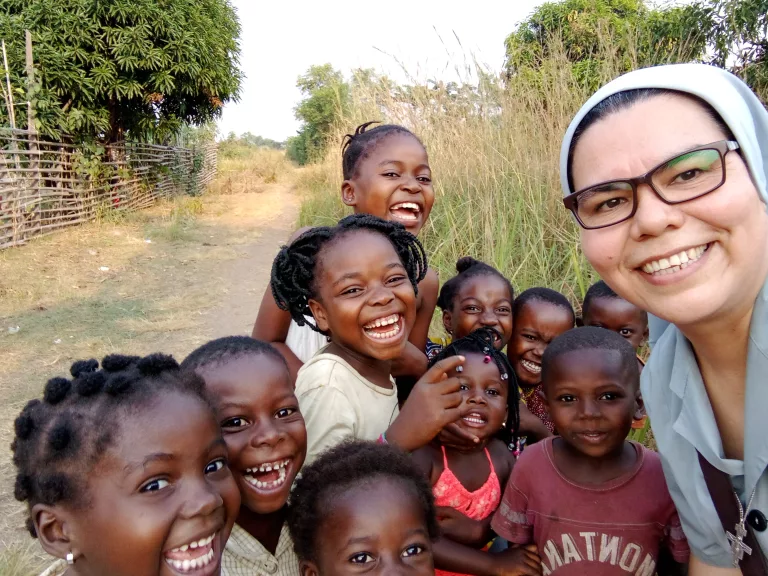
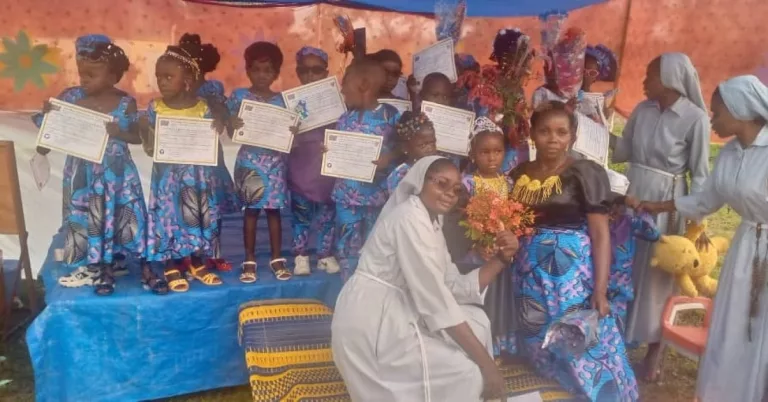
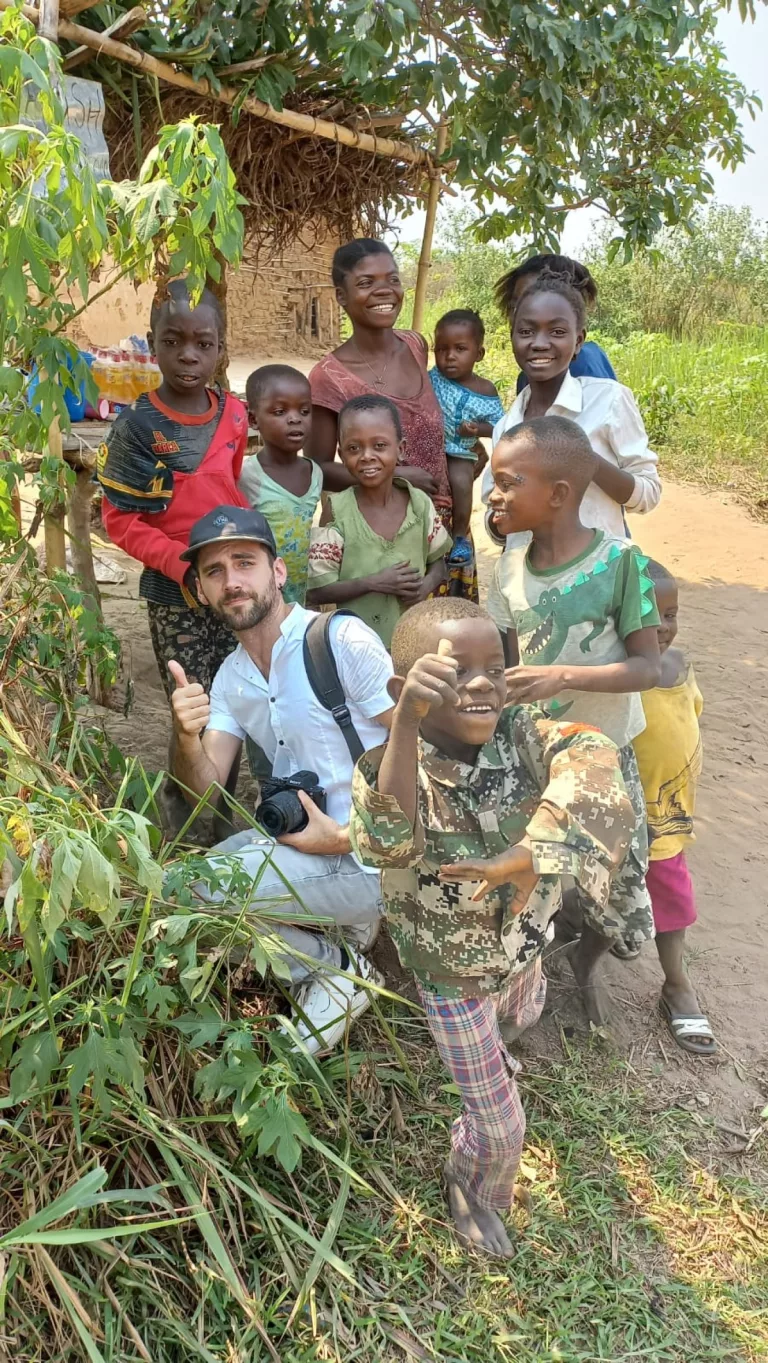
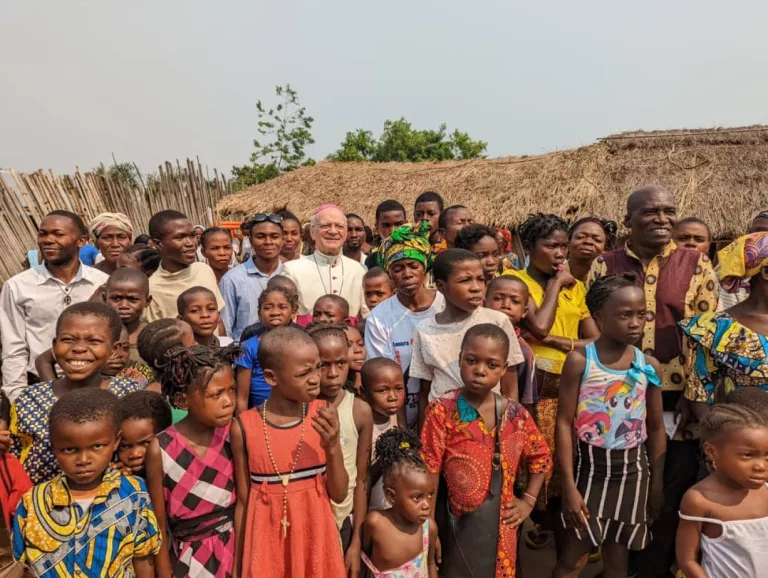
Here they meet, learn, play, are treated with civility and the love they deserve, and gradually gain not only new knowledge but, above all, a sense of their personal dignity—which is no small feat for those who know these places.
Our school is considered one of the best in the area, but maintaining high quality is a serious challenge.
The preparation of the teachers, despite their good intentions, can and must be improved through various targeted interventions; the state is not paying young teachers or those in newer schools, who at Maison de Paix receive only about 50 euros, while in other schools the most qualified teachers demand over one hundred euros per month or more.
Life here is hard, and one finds oneself at a loss for words to explain it.
Furthermore, the children do not speak French correctly as they are tied to Kikongo, the local language spoken at home, but the teachers are often no more qualified than they are.
The children are beautiful, friendly, and full of energy, but the learning difficulties are truly serious and severe; there is a need for specialized pedagogy here, far beyond all our Italian acronyms like BES, DSA, PEI, etc.
One wonders what will become of these children when the nursery school closes at the end of June and the primary school on July 19 for the summer holidays.
Life revolves around the hut, some domestic chores, and a relationship with nature, considering that parents are busy with work and the fields and thus the children are practically left to their own devices.
It is clear why the children here do not want to leave the classrooms and always ask to stay a little longer.
For this reason, every contribution, financial or otherwise, and every investment we make in the mission school is a well-placed effort that will surely yield many good results in the near future.